Hospital stay
Many patients go home within 24 hours when medically appropriate. A longer stay may be needed after severe inflammation, infection, difficult surgery, other medical problems or slower recovery from anaesthesia.
Patient Information · Cholecystectomy Surgeon · Abu Dhabi
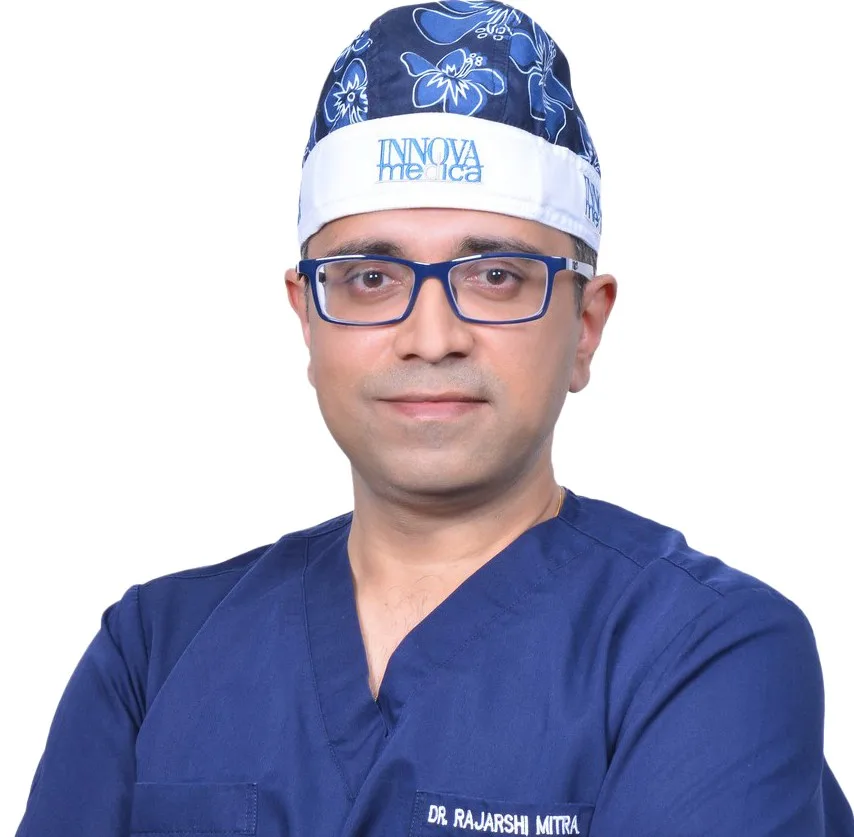
Laparoscopic cholecystectomy planning with Dr Rajarshi Mitra
If gallbladder surgery has been recommended, it is normal to have questions about reports, insurance approval, anaesthesia, hospital stay, recovery and follow-up. This page explains the typical patient journey with Dr Rajarshi Mitra, DOH-licensed cholecystectomy surgeon in Abu Dhabi, from first consultation to recovery after laparoscopic gallbladder removal.
Many patients go home within 24 hours when medically appropriate. Your own plan depends on symptoms, ultrasound findings, blood tests, medical fitness, anaesthesia recovery and the surgical team’s assessment.
Planning laparoscopic cholecystectomy in Abu Dhabi?

Every patient is different, but most planned laparoscopic cholecystectomy pathways follow a clear sequence: assessment, confirmation of diagnosis, pre-authorisation, surgery planning, operation day, recovery and follow-up.
Dr Mitra reviews your symptoms, ultrasound report, previous attacks, medical history and current medicines. The aim is to confirm whether the gallbladder is likely responsible and whether surgery should be discussed.
Ultrasound findings are matched with your symptoms. Blood tests may be needed to check liver function, inflammation or pancreatic irritation. Your overall medical fitness and anaesthesia risk are reviewed before surgery is planned.
For insured patients, reports and medical indication are usually submitted for pre-authorisation. Approval depends on your insurance policy, network eligibility and the insurer’s decision.
Laparoscopic cholecystectomy is performed under general anaesthesia through small incisions using a camera and precision instruments. The exact plan may change if inflammation, scarring or safety concerns are found.
After surgery, you are monitored as you wake from anaesthesia. Many patients go home within 24 hours when medically appropriate, but some need a longer stay depending on their condition and recovery.
Follow-up checks healing, symptoms, wound care and return to routine. Return to desk work, physical work, exercise and travel depends on your recovery and the advice given at discharge.
A focused consultation is easier when you bring the right information. If you already have reports, keep them ready before your appointment.
If symptoms are severe or persistent, do not wait for a routine appointment. Seek urgent medical care.
For planned gallbladder surgery in Abu Dhabi, insurance pre-authorisation is usually required before admission. The clinic team can guide you on the documents commonly needed, but the approval decision is made by the insurer.
Coverage and approvals depend on your insurance policy, network eligibility, medical indication and the insurer’s pre-authorisation decision. This website cannot promise approval — that decision always rests with the insurer.
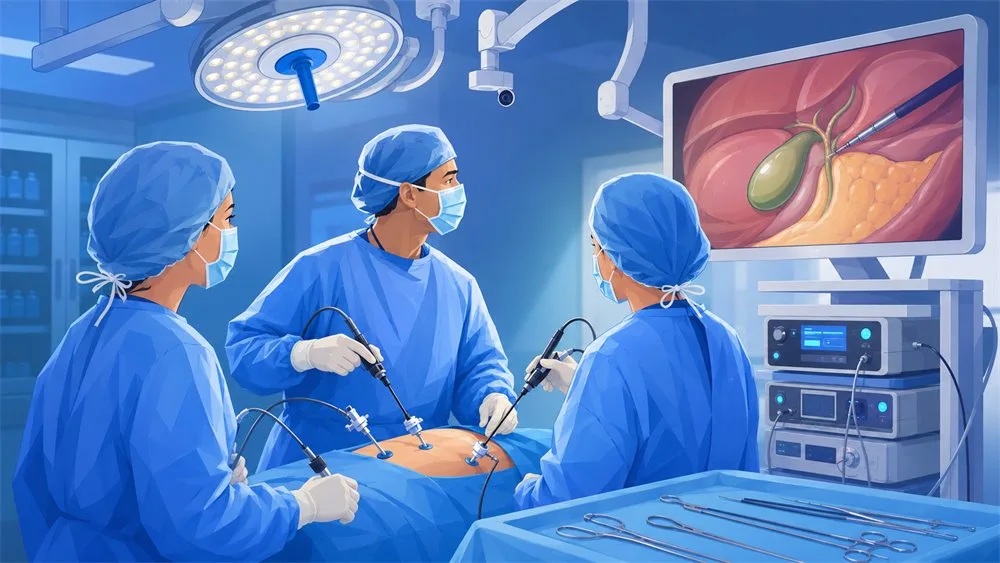
On the day of surgery, the hospital team confirms your identity, consent, fasting status, anaesthesia plan and medical readiness. Laparoscopic gallbladder removal is performed while you are asleep under general anaesthesia.
Safety note: If the gallbladder is severely inflamed, scarred or anatomy is unclear, the surgical plan may need to be adjusted for safety. This can include additional imaging, drainage, conversion to open surgery, or staged treatment in selected cases.
Recovery varies. Many patients walk on the day of surgery or soon after, start with light food as advised, and gradually return to normal activity. Some shoulder discomfort, bloating, tiredness or mild wound discomfort can occur after laparoscopic surgery.
Many patients go home within 24 hours when medically appropriate. A longer stay may be needed after severe inflammation, infection, difficult surgery, other medical problems or slower recovery from anaesthesia.
Most patients restart food gradually as advised. Lighter meals are often easier in the early recovery period. Long-term tolerance varies from person to person.
Gentle walking is usually encouraged early. Avoid pushing beyond your discharge instructions, especially if you feel dizzy, weak or short of breath.
Return to desk work, physical work, driving, exercise and travel depends on your recovery, job type, pain control and surgeon’s advice. Heavy lifting usually needs more caution than desk work.
Keep wounds clean and dry according to discharge instructions. Report increasing redness, swelling, discharge, fever or worsening pain.
Follow-up allows the team to check healing, review symptoms, answer diet and activity questions, and guide return to routine.
Do not ignore symptoms that may suggest bleeding, infection, bile leak, clotting problems, chest symptoms or another complication.
In an emergency in the UAE, call 998 or go to the nearest emergency department.
Most planned gallbladder operations are attempted laparoscopically. In some cases, safety concerns such as inflammation, scarring or unclear anatomy may require a change in plan.
Yes. The gallbladder stores bile, but it is not essential for life. After removal, bile flows from the liver directly into the intestine.
Diet may reduce meal-triggered symptoms for some people, but it does not reliably dissolve existing gallstones. Recurrent symptoms need medical assessment.
Timing depends on symptoms, attacks, inflammation, complications, medical fitness and insurance approval. Delaying may be reasonable for some patients and risky for others.
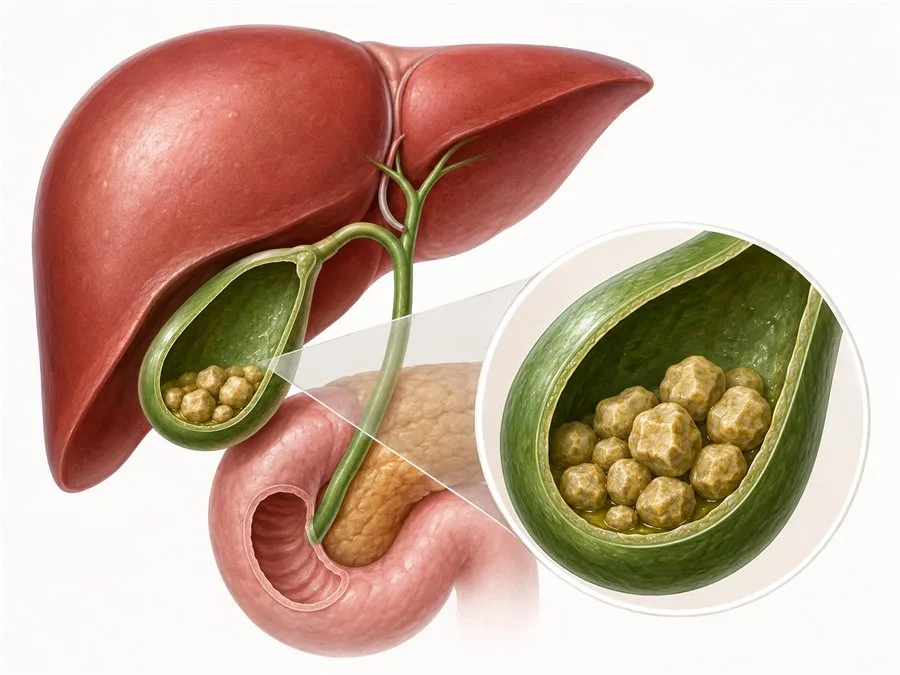
Not every gallstone needs an operation. The decision depends on whether stones are causing symptoms or complications. If you are still trying to understand your diagnosis, start with the gallbladder conditions guide.
Dr Rajarshi Mitra has more than 20 years of surgical experience, including over 4,500 laparoscopic surgeries and more than 2,000 laparoscopic cholecystectomies. Patients can read 700+ five-star Google reviews directly on his Google Business Profile.
Laparoscopic cholecystectomy is keyhole surgery to remove the gallbladder through small incisions using a camera and precision instruments. It is commonly discussed when gallstones cause repeated symptoms or complications.
Many patients go home within 24 hours when medically appropriate. The actual stay depends on medical fitness, inflammation, surgery findings, anaesthesia recovery and the surgical team’s assessment.
Bring your ultrasound or imaging report, blood tests if available, medication list, allergy history, previous surgical records, insurance card and policy details.
Yes. Laparoscopic gallbladder removal is performed under general anaesthesia, which means you are asleep during the operation.
Return to work depends on the type of work, your recovery and the advice given at discharge. Desk work may resume earlier than heavy physical work, but the plan should be individualised.
Food is usually restarted gradually as advised by the team. Lighter meals may be easier early after surgery. Long-term tolerance varies, and persistent digestive symptoms should be discussed at follow-up.
That depends on your symptoms, ultrasound findings, blood tests and whether complications have occurred. Some patients can plan surgery electively, while others need more urgent treatment.
Seek urgent care for fever, worsening abdominal pain, persistent vomiting, jaundice, chest pain, shortness of breath, fainting, wound discharge or severe weakness. In the UAE, call 998 in an emergency.
This page is written for patient education and reviewed in the context of Dr Rajarshi Mitra’s surgical practice. It does not replace a consultation.
Last medically reviewed by Dr Rajarshi Mitra — July 2026
Book a consultation with Dr Rajarshi Mitra’s team. Bring your ultrasound report, blood tests if available, medication list and insurance details so the safest next step can be planned clearly.